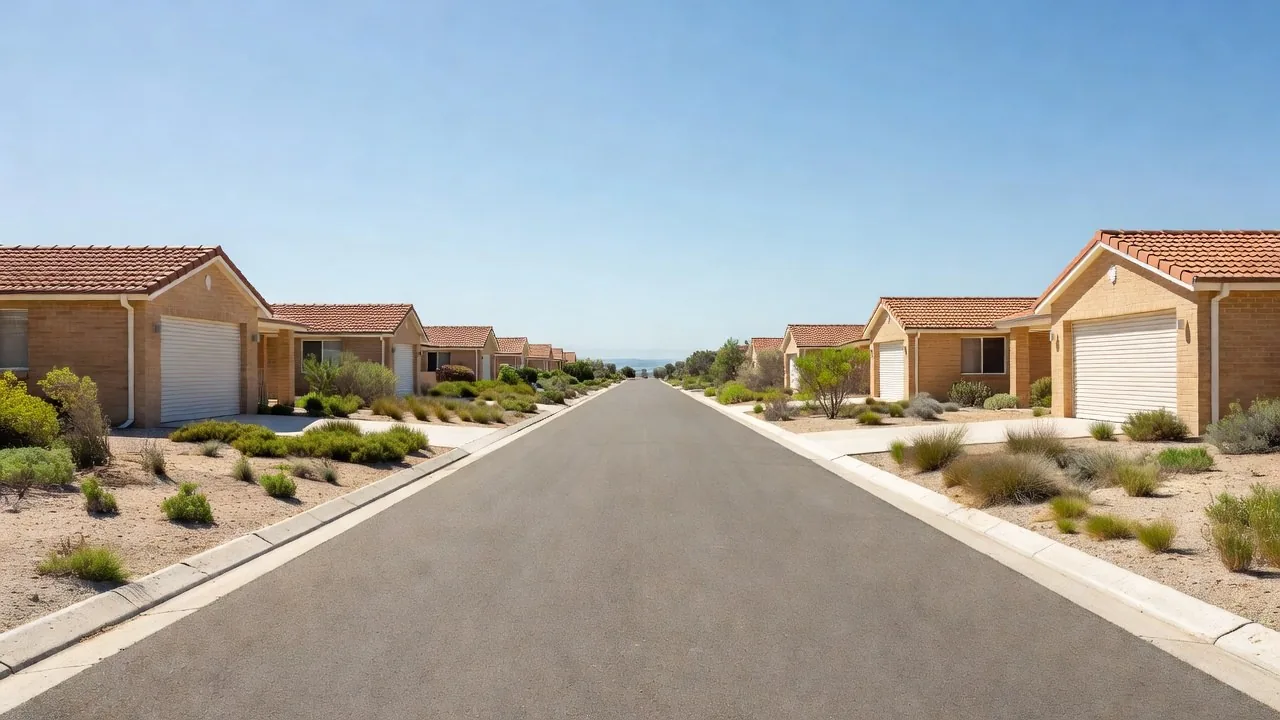
Drum springs, curtains, guides, motors and tracks — repaired by technicians who work the Peel region and know that here, storm season is winter and salt comes from both sides. Tell us what your door is doing.
No obligation. Takes 30 seconds.
The jobs that come up most. Pick what's closest to your situation — or just tell us what's happening and we'll work it out.
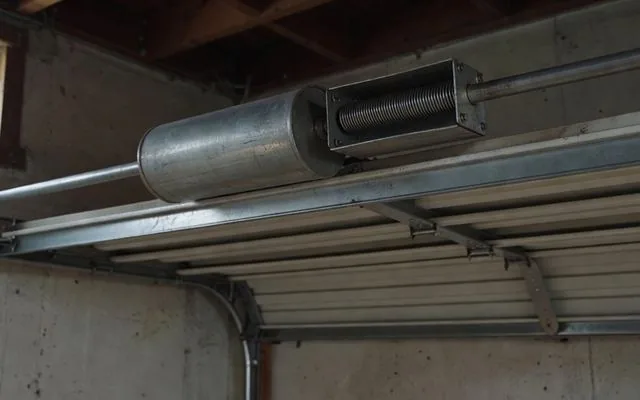
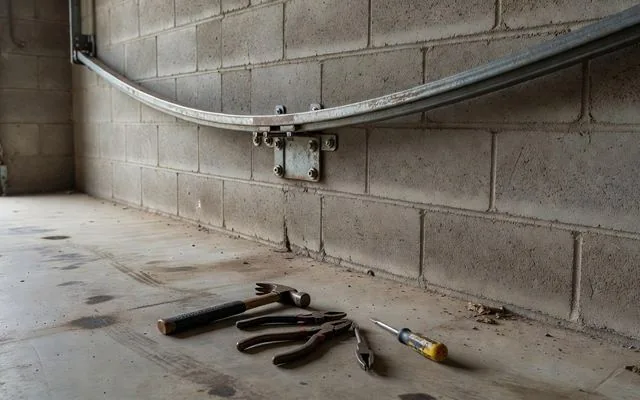
The standard WA garage door — curtains, drums, springs and guides.
Read more →The door won't stay up, or has become impossibly heavy to lift.
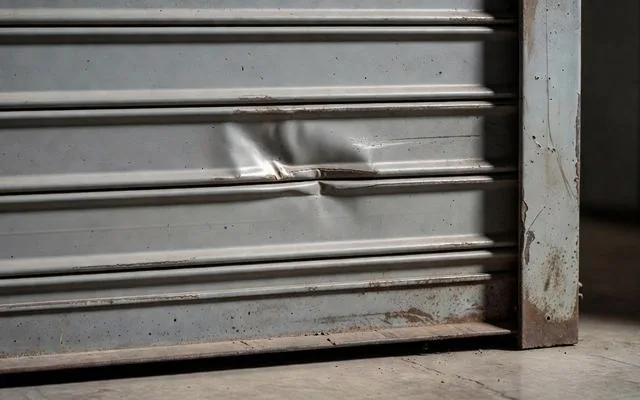
Read more →Dented, bent or corroded curtains — and the point where one slat becomes all of them.
Read more →Whatever the door is doing, narrowed down before anyone quotes it.
Read more →Openers that hum, stall, or have stopped responding entirely.
Read more →Winter front damage — bowed doors, wind loading and insurance.
Read more →Catching cables and tension before they fail, in a two-sided salt environment.
Read more →Panel-lift doors — increasingly common in the newer Peel estates.
Read more →What repairs actually cost in the Peel region, and what moves the number.
Read more →Technicians who work roller doors daily, in a region with salt on both sides.
Most of Western Australia runs roller doors, not sectionals. The technicians here work on curtains, drums and guides daily rather than occasionally, which is not true everywhere.
Storm work here runs May to September, opposite to the eastern states. Someone who works this coast plans for it.
Ocean on one side, estuary on the other, and canal blocks with both. Cable inspection matters more here than the calendar suggests.
Diagnosis first, then a number you agree to. Nothing gets done on a guess.
A roller door re-tension is often $150 to $320. Most other repairs land between $150 and $600. A service call is $90 to $180 and normally comes off the work.
Most garage door advice is written for the eastern states, where storm season is summer. Here it is the other way round, and the daily sea breeze does more damage than the fronts do.
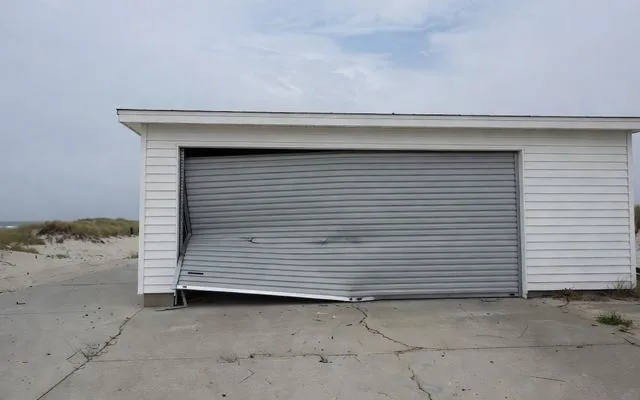
The Indian Ocean sends front after front through the Peel region across winter. They arrive with sustained westerly wind rather than the short violent cells the eastern states get — and sustained pressure is what loads a garage door. A door that bows outward and jumps its guides is the classic Mandurah winter callout, and it usually happens overnight with nobody watching.
Not a storm, but it does more damage than one. The sea breeze comes in most summer afternoons, dependable enough to set your watch by, and it carries salt inland every single day through the warm months. That relentless low-level exposure costs more cables and springs than any individual front does.
Port Mandurah, Mandurah Quay and the Wannanup canals put salt water within metres of a lot of garages, and the Dawesville Channel cut in 1994 made the estuary more marine rather than less. Canal blocks get salt from behind as well as in front — there is no sheltered aspect here, which is unusual even for a coastal town.

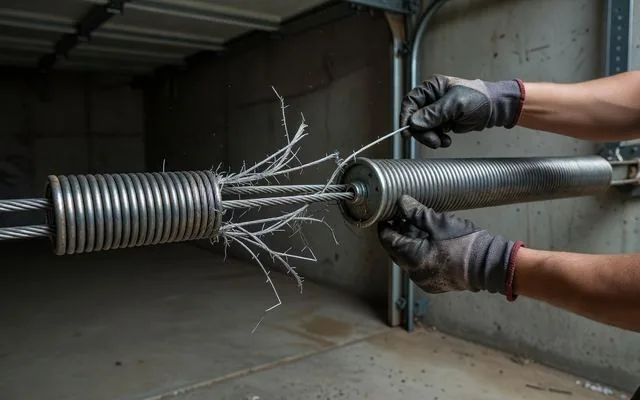
Roller doors give more warning than sectionals do — they creep, they catch, they get heavy. The exception is the cables, which corrode from inside the strand and part without any warning at all. On this coast that's the one worth pre-empting.
Western Australia regulates this differently to the eastern states, so advice written for Queensland or New South Wales will not tell you the right thing. The short version: fixing your door needs no registration, and changing the hole it sits in probably does.
Approval is required for:
Approval is not required for:
Building and Energy, part of DEMIRS, regulates building services in WA and keeps the register of building contractors. Their advice line is 1300 489 099 or [email protected], and it is free. Worth a call before any structural work starts — unregistered building work can complicate an insurance claim later. For an ordinary door repair it does not arise. Source: City of Mandurah. Registration is about who does the work; a permit is about whether the work is approved. They're separate questions and both worth asking.
Full permit rules explainedCoverage runs from Rockingham and Baldivis in the north, through Mandurah and the canal estates, south to Dawesville and Bouvard, and inland to Pinjarra and the Yunderups.

No. Repairing or servicing an existing garage door is not building work in Western Australia and needs no registration. Building work valued at $20,000 or more does require a registered building contractor, and altering the opening itself is building work — but changing your spring is not.
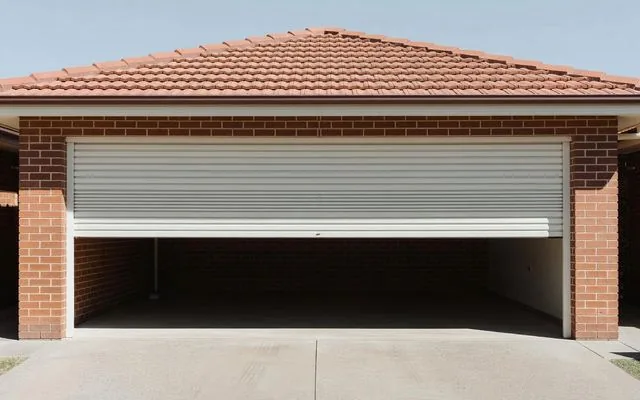
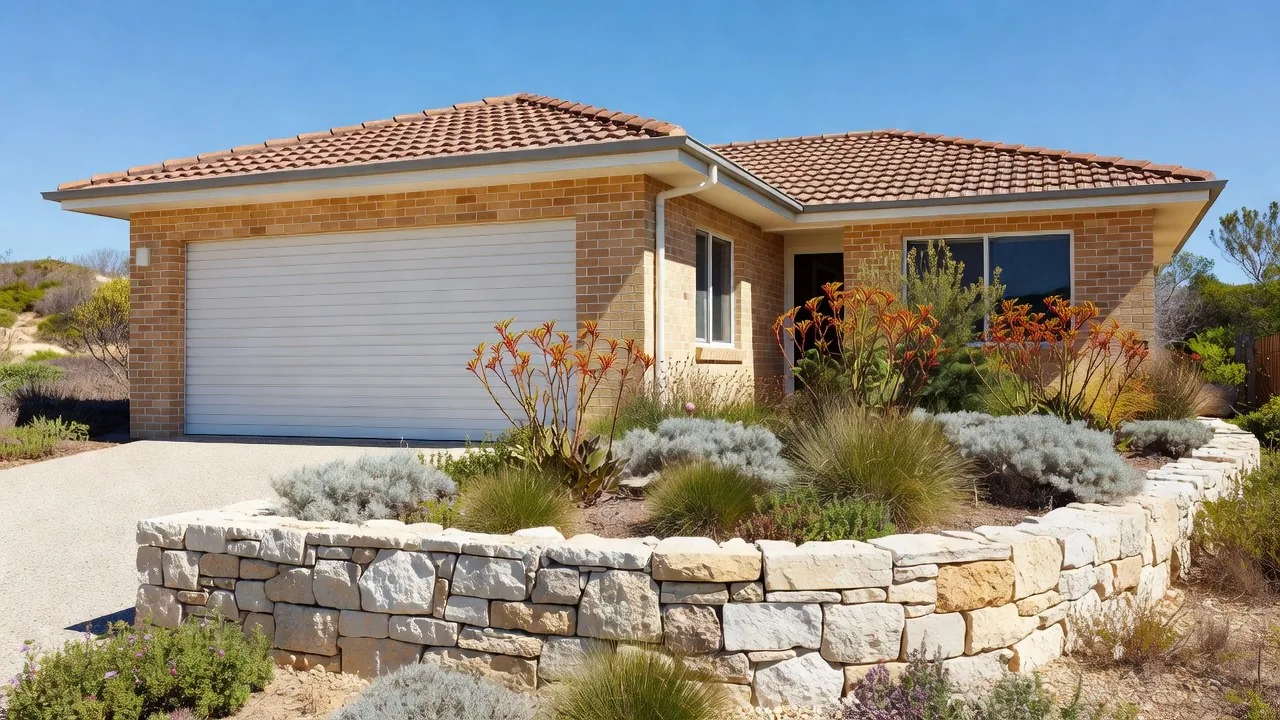
Brick-and-tile construction with a roller door has been the standard WA build for decades. Sectional doors are more common in newer estates like Lakelands and Madora Bay, but across the region as a whole the roller door is still the default — which is why the technicians here are more practised on them.
The spring. On a roller door that's the drum spring losing tension; on a sectional it's a broken torsion spring. Either way the counterbalance has gone and the opener is being asked to lift a weight it was never sized for. Stop using it — running it that way turns a spring job into a spring and motor job.
Winter. Cold fronts come off the Indian Ocean from about May through September and bring sustained westerly wind, which loads a door far more than a brief gust does. A bowed door found in the morning after a front is the standard winter callout here.
For corrosion, largely yes. The Dawesville Channel opened the Peel-Harvey system to the ocean in 1994, so the estuary is properly saline rather than brackish in most of it. Canal blocks at Port Mandurah and Wannanup get exposure from both directions.
Annually is the general figure. Within a few streets of the ocean or on a canal block, every six to nine months is more realistic — and the point of it is the cables, which corrode from inside the strand where you cannot see them.
Sometimes, if it's a single slat and it hasn't started binding in the guide. Once it binds, each cycle drags the neighbouring slats out of line and the repair becomes a curtain replacement. If the door catches at the same point every time, stop using it.
Yes. Coverage runs north to Rockingham, Baldivis and Safety Bay, south to Dawesville and Bouvard, and inland to Pinjarra, Ravenswood and the Yunderups. Travel is a real component of the cost at the edges and an honest quote says so.
Tell us the suburb and whether it's a roller or a sectional.
Call 0468 184 889